QMines drills 12 m at 2.83% copper 180 m beyond its Mt Chalmers resource in Queensland
Two short high-grade zones carry most of the copper in step-out hole 26MCDD052. A second hole from the same pad found lower grades; four more await assays.
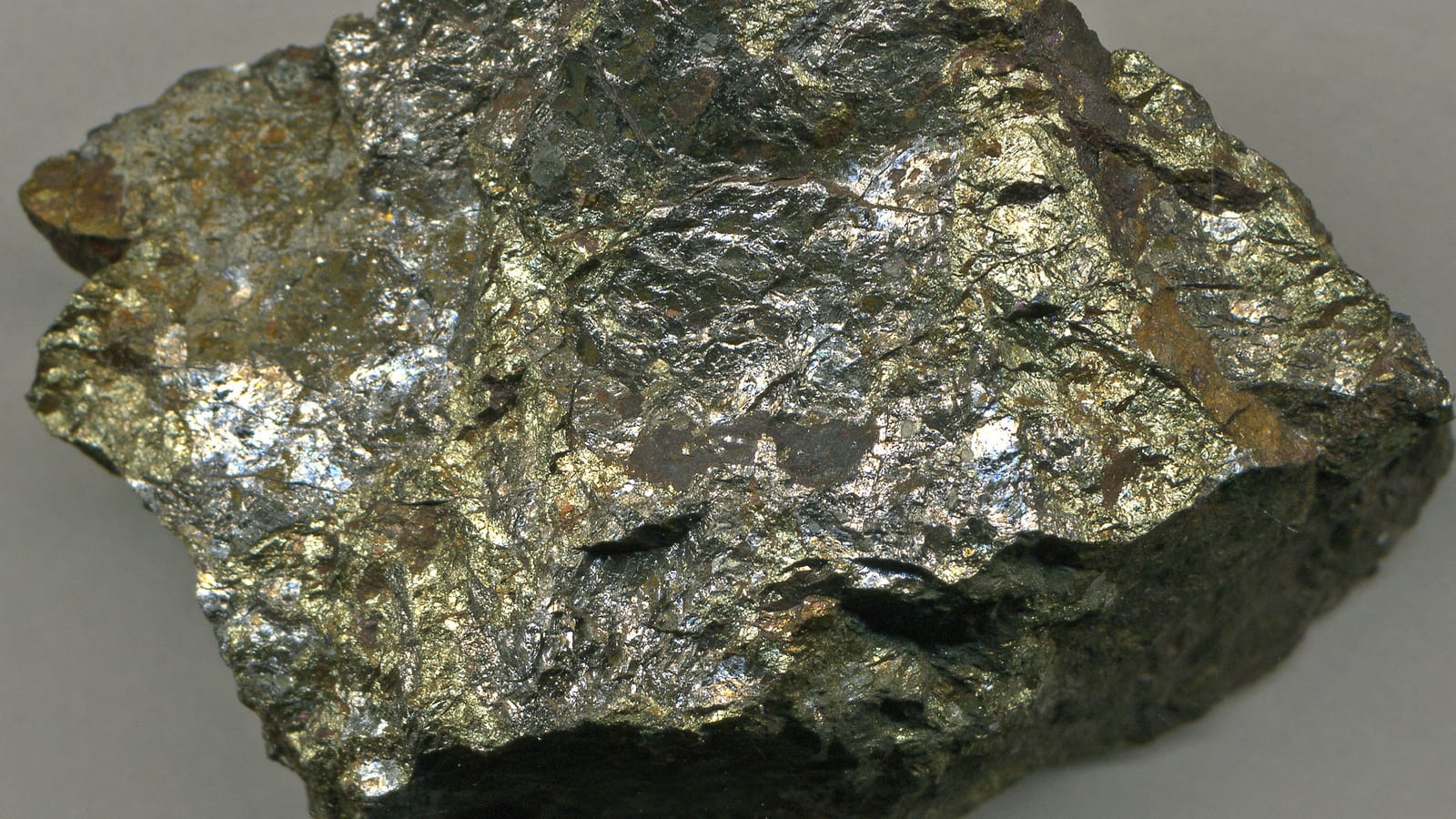
QMines (ASX: QML) has released assays from two step-out diamond holes drilled north-northeast of its Mt Chalmers copper-gold deposit, near Rockhampton in Queensland. The announcement, dated 23 November 2026, confirms with laboratory results the copper sulphides the company had reported from visual logging in October.[1]
The holes were drilled from one pad in opposite directions to test a structural corridor identified in June 2026, in ground with little historical drilling. The better hole, 26MCDD052, hit copper about 180 m beyond the edge of the current Mineral Resource. The work is part of a 20,000 m multi-rig program, and QMines says about 15 holes are at the laboratory.[1]
The reported intercepts
| Hole | From (m) | Length (m) | Cu (%) | Note |
|---|---|---|---|---|
| 26MCDD052 | 191.0 | 12.0 | 2.83 | 2.98% CuEq |
| incl. | 192.0 | 4.0 | 5.30 | contains 2.0 m at 7.05% |
| incl. | 201.0 | 2.0 | 5.27 | contains a 1 m sample at 8.52% |
| 26MCDD052 | 217.0 | 2.0 | 0.95 | elevated bismuth |
| 26MCDD049 | 170.0 | 20.0 | 0.45 | 0.48% CuEq |
| 26MCDD049 | 207.0 | 5.0 | 0.76 | incl. 1.0 m at 2.43% |
Reported at a 0.20% Cu cut-off. The 12.0 m interval includes 2.0 m of internal dilution grading 0.04% and 0.10% Cu. Downhole lengths; true widths not known. CuEq combines copper, zinc, gold and silver using the company's stated formula. Source: QMines ASX announcement, 23 November 2026.
How the 12 m interval breaks down
Multiplying length by grade, the 12.0 m at 2.83% Cu equals about 34.0 percent-metres. The 4.0 m at 5.30% contributes about 21.2 and the 2.0 m at 5.27% about 10.5, together around 93% of the total. The remaining 6 m, which include the 2 m of dilution, therefore average about 0.37% Cu. These are our calculations from the rounded figures.[1]
The high grades come from chalcopyrite in stringer veins and a quartz vein within silicified volcanic breccia. QMines cautions that its published core photographs pick out the richest pieces rather than typical material from the interval. Gold, zinc and silver are low in the deeper zone, so this is mainly a copper result: copper alone is 2.83% of the 2.98% CuEq.[1]
For scale, the company says Mt Chalmers was mined between 1898 and 1982 and produced 1.2 Mt at 2.0% Cu. The current Mt Chalmers Mineral Resource is 11.3 Mt, estimated at a 0.3% Cu cut-off. The new hole lies outside it, and the hole was drilled at -61 degrees, so the intercept is roughly 165 m below surface by our estimate.[1]
“This is a particularly encouraging result given how little drilling has been undertaken north of the deposit.”
What the two holes do and don't establish
Both holes hit similar copper stringer mineralisation at similar elevations about 180 m apart, and QMines says they may belong to the same hydrothermal system. It also says the link between the two intercepts, and between them and the existing deposit, remains to be confirmed. The ground between them is largely untested.[1]
- Continuity: two pierce points 180 m apart do not define a body of copper.
- True width: not known; the near-true-width view depends on the zone being an extension of the known stringer system.
- Pending data: assays from four follow-up holes, and gold assays from the shallow part of 26MCDD052, are outstanding.
- A resource change: these are exploration results and are not part of the Mineral Resource.
Reporting basis
The exploration results are reported under the JORC Code (2012). The Competent Person is Thomas Bartschi, a Member of the Australian Institute of Geoscientists and a full-time employee of QMines, as the announcement states. The Mt Chalmers resource estimate is attributed to Stephen Hyland, a Fellow of the AusIMM with Hyland Geological and Mining Consultants.[1]
What comes next
QMines plans more drilling between the two intercepts, back towards the deposit and further north along the corridor, guided by the four pending holes. With about 15 holes at the laboratory, it expects further results before Christmas.[1]
Questions readers ask
- Is this a new copper discovery?
- It is copper found about 180 m outside the current Mt Chalmers resource. Whether it is a separate zone or an extension of the known deposit has not been confirmed.[1]
- What is the bismuth result about?
- Samples in a second copper zone at 217 m returned 179 and 193 ppm bismuth, against 33 ppm or less elsewhere in the hole. QMines says its significance will be assessed as more data arrive.[1]